zippo, you posted a video which starts off with this kind of image:

In case you didn't know, this is the galactic orbit of the heliocentrical solar system as it moves through space; however, it is completely unexplained by modern science.
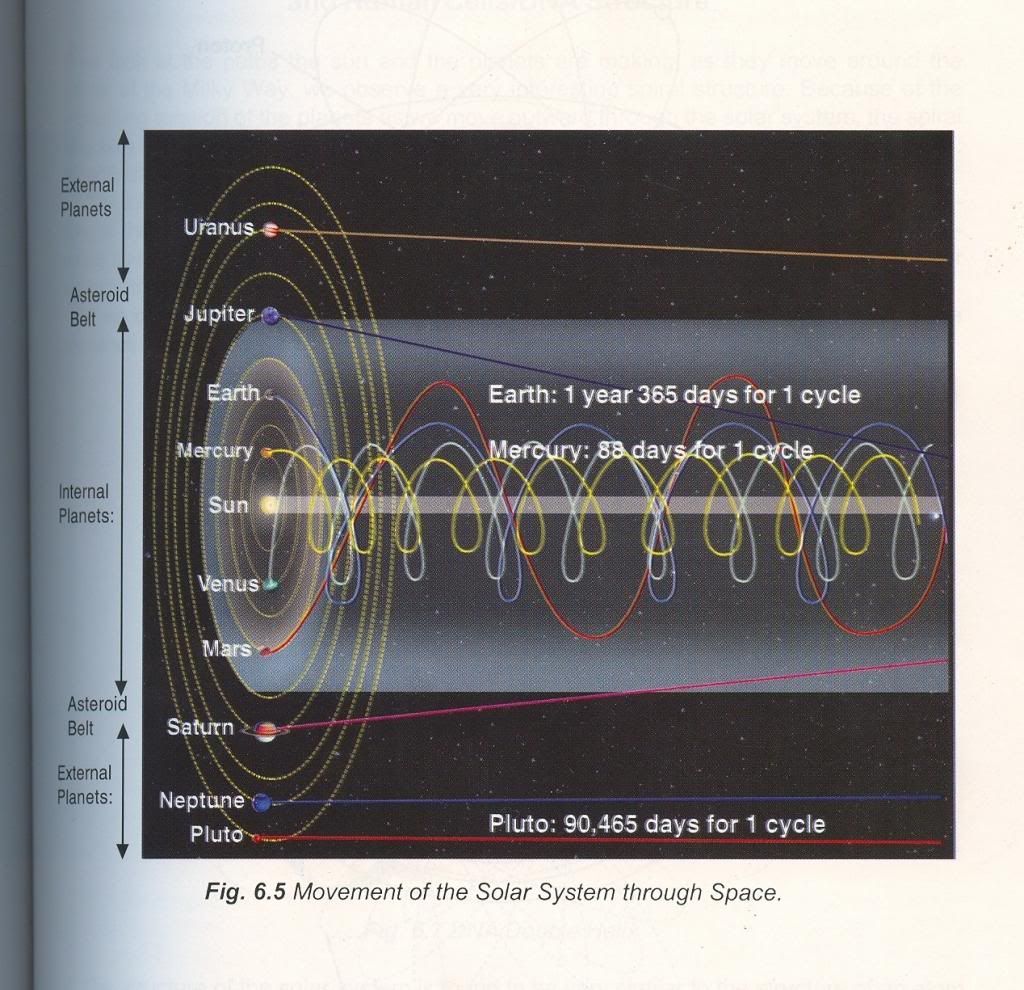
Let me explain.
The movement of the solar planetary system toward the star Vega is completely incompatible with the first law of Kepler. The tridimensional orbits of the Sun/Planets, would be circular helices on a right cylinder, which completely contradicts the planar eliptical orbits of the planets, in the heliocentric theory. A planar eliptical orbit would be possible if and only if the whole system is at rest (with respect to the rest of the Galaxy, in the round earth theory), and not moving toward Vega with 20 km/s.
The sun moves in space at a velocity of about twenty kilometers a second (in relation to the nearby stars). This motion, according to Sir Oliver Lodge, must change the eccentricities of some of the planetary orbits to an extent which far exceeds the observed values.
You are looking for answers within the wrong FE context: the official faq which is worthless.
The sun does rise and set, and is not 50 km in diameter, nor is it orbiting at a distance of some 3000 miles above the Earth.